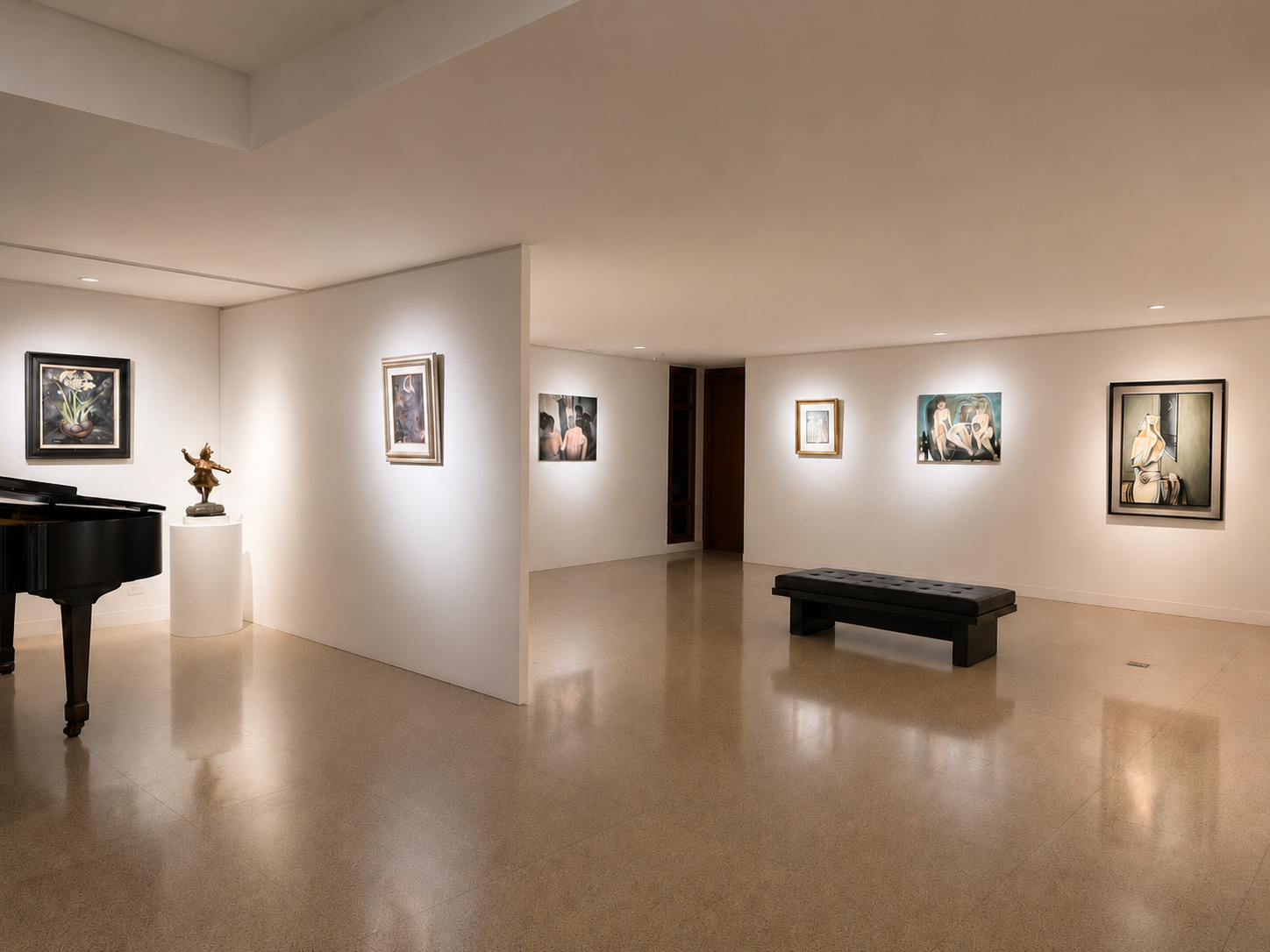
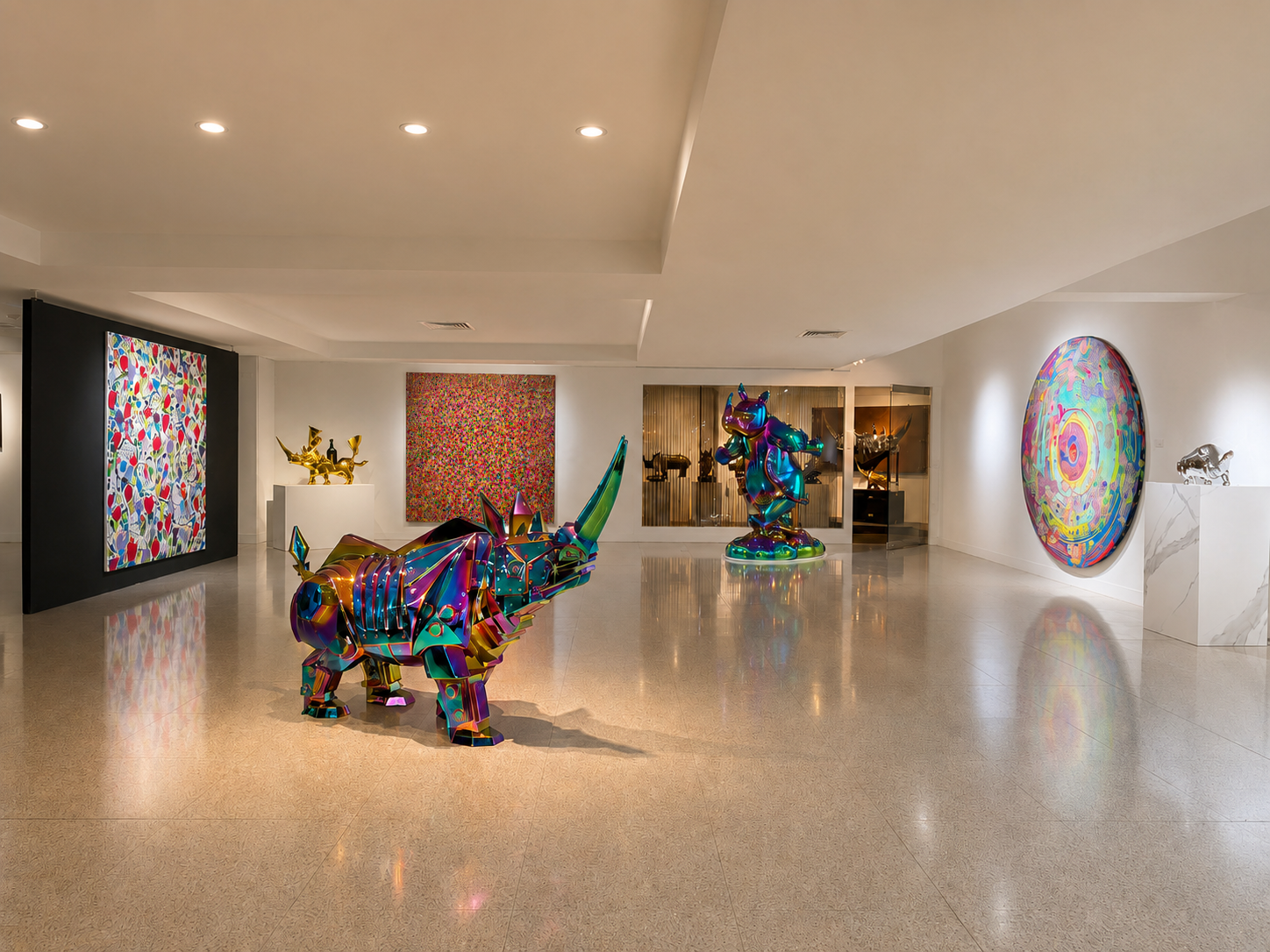
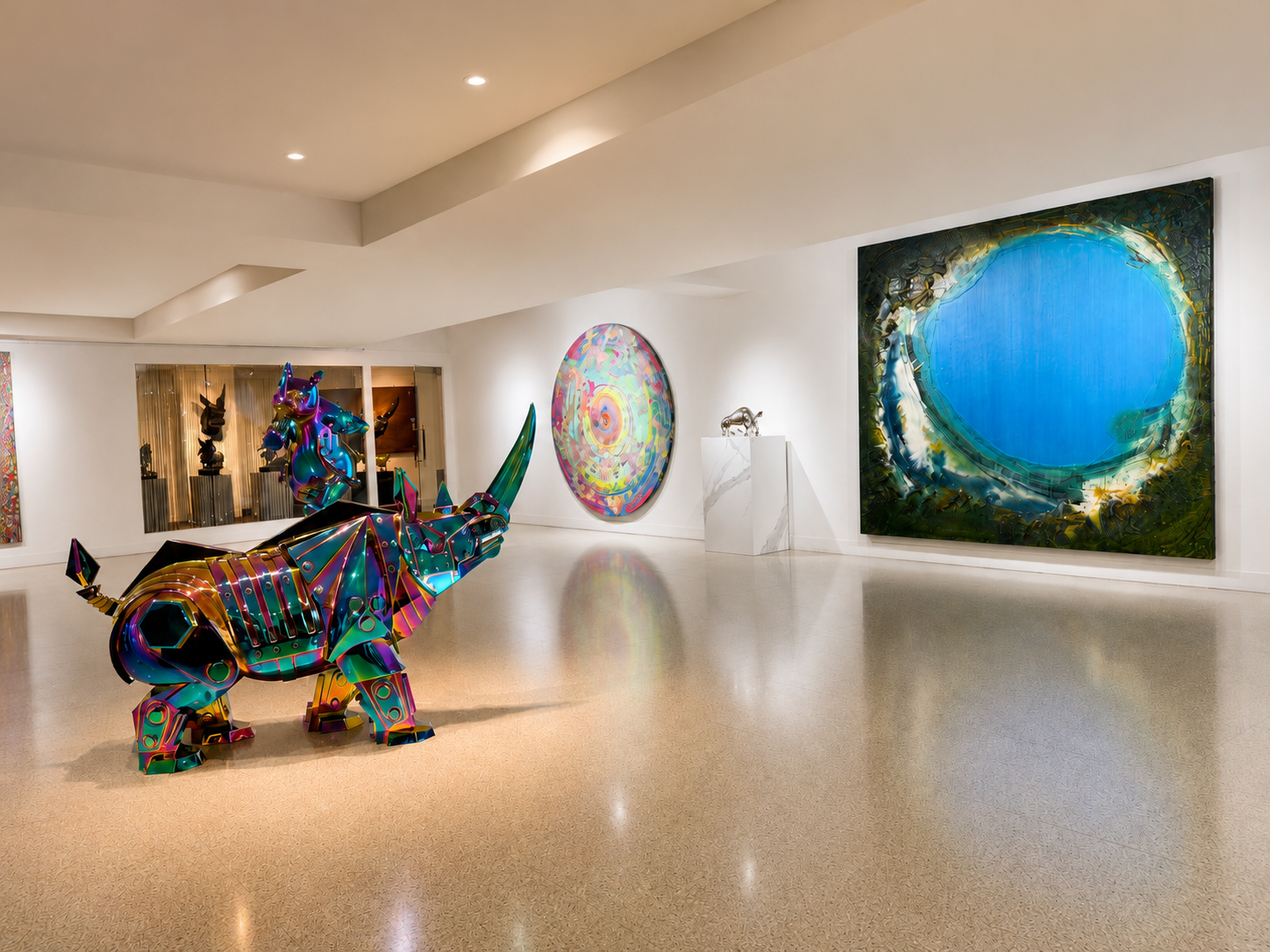
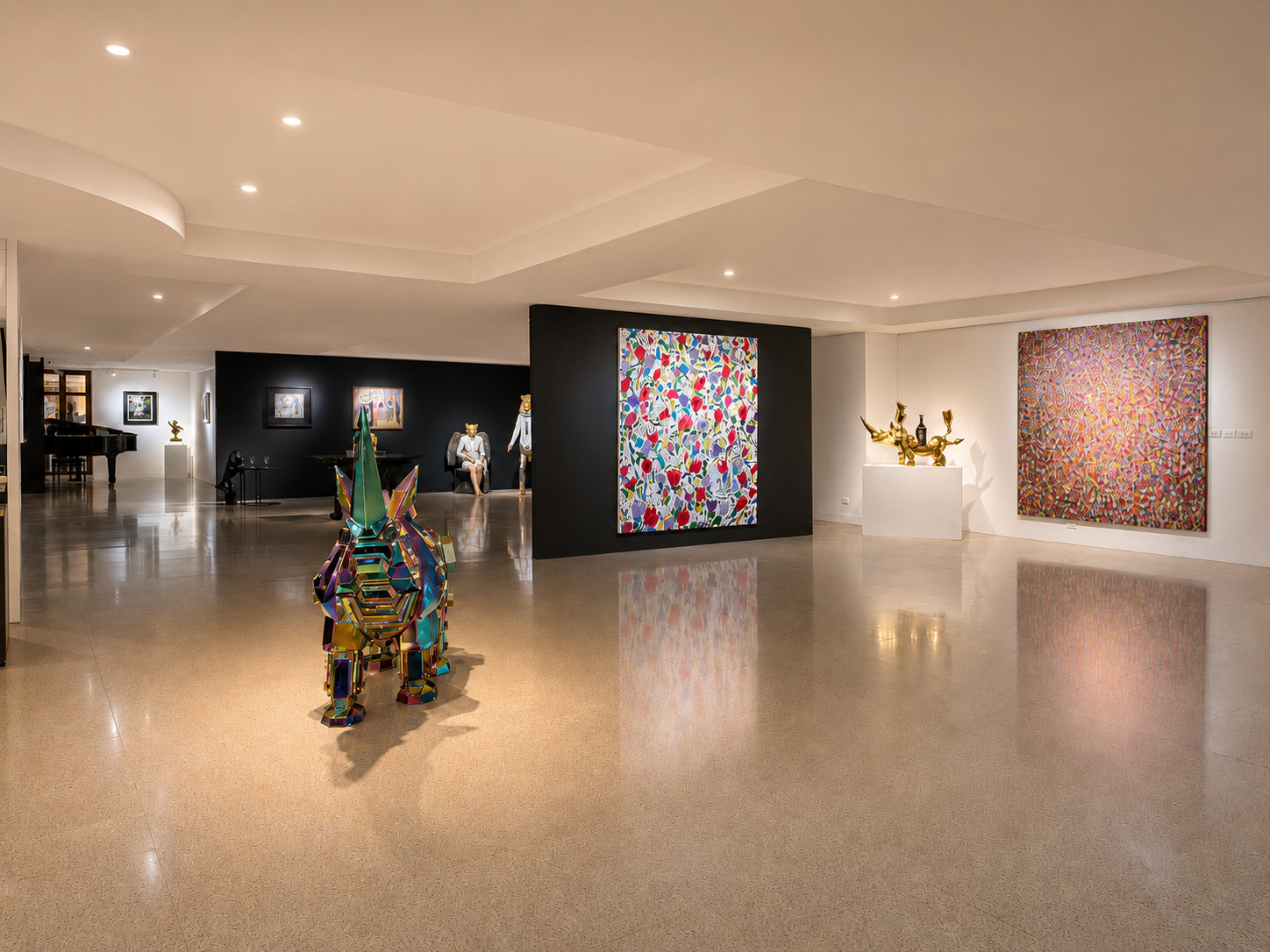
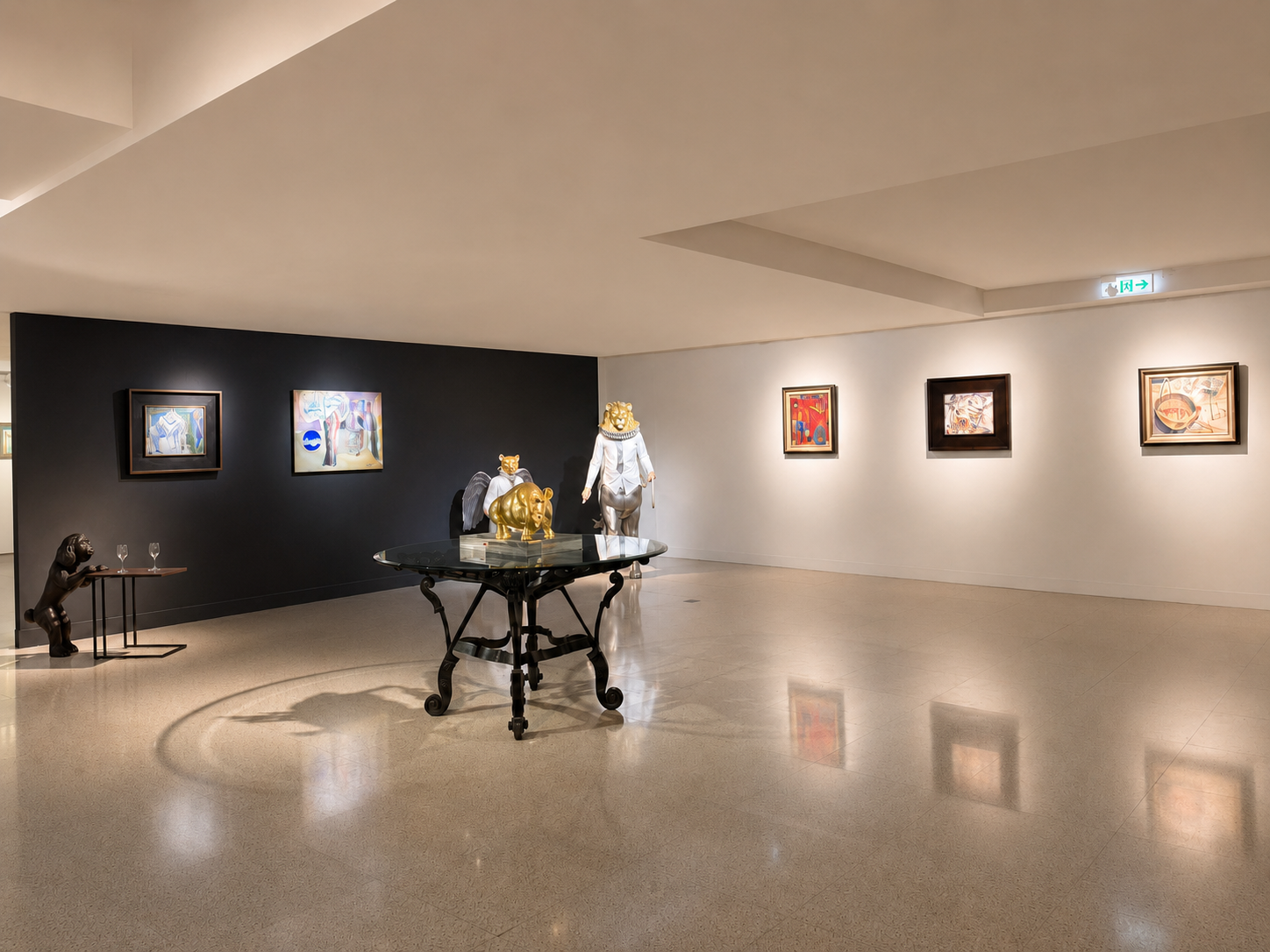
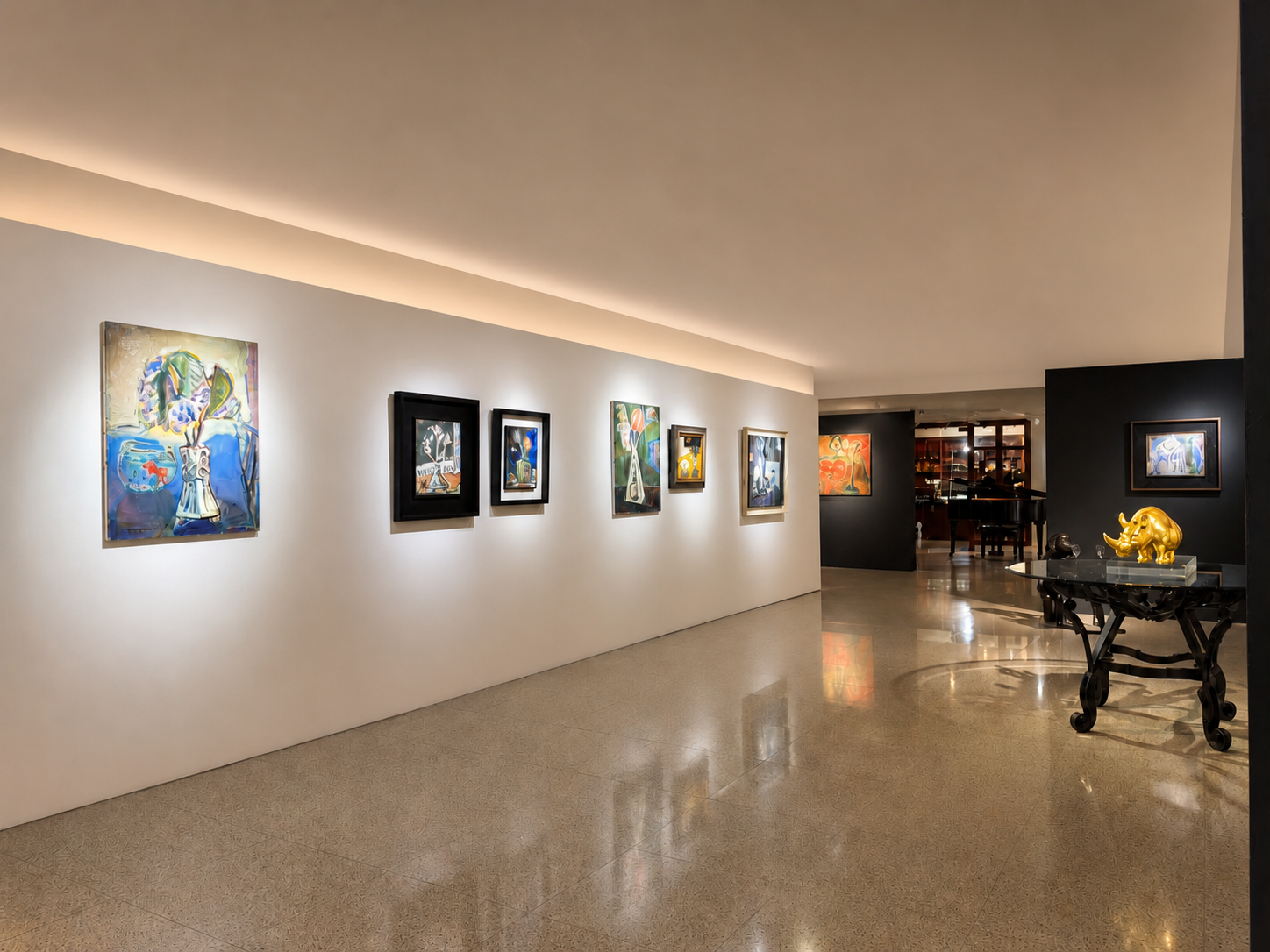
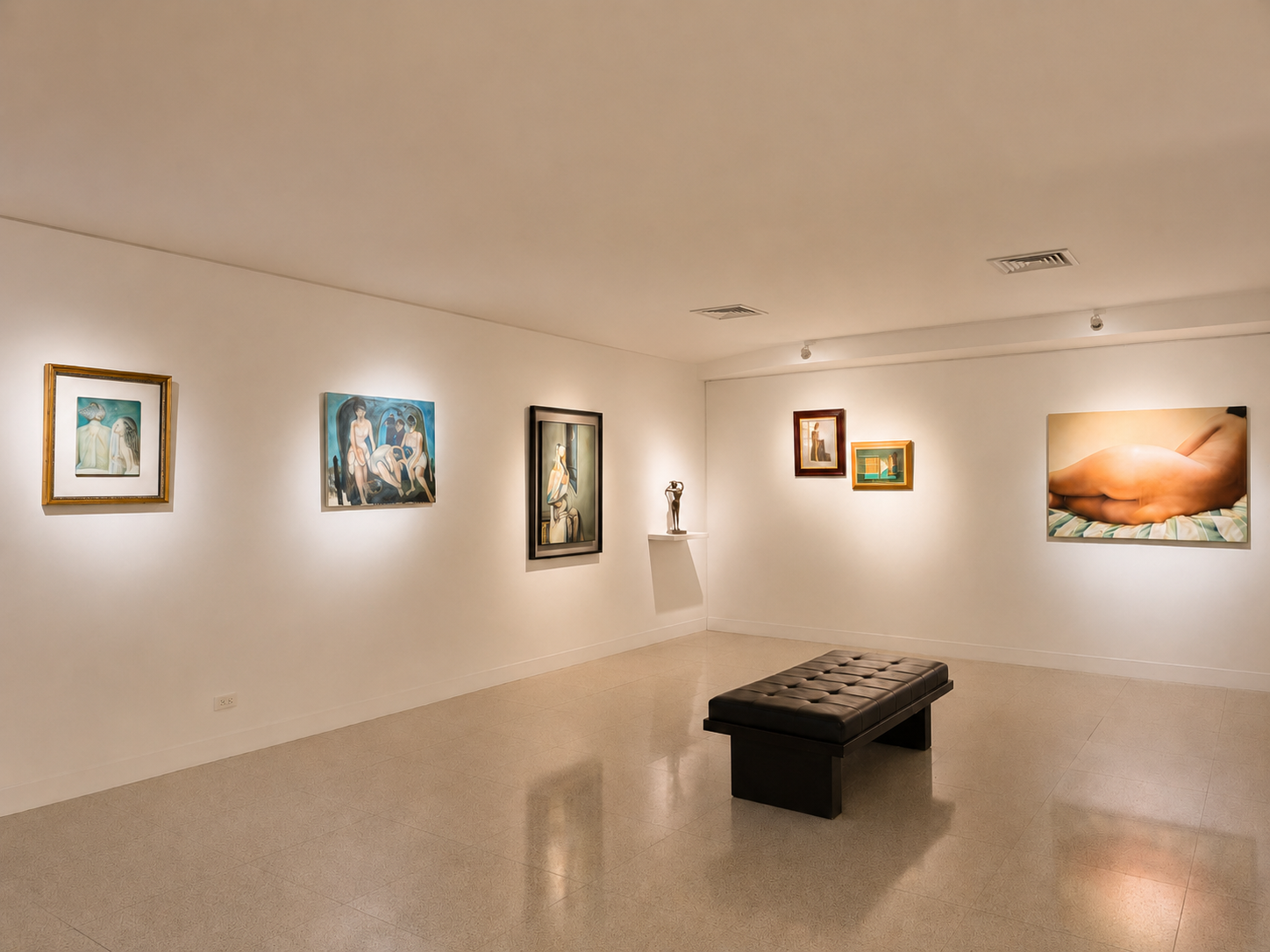
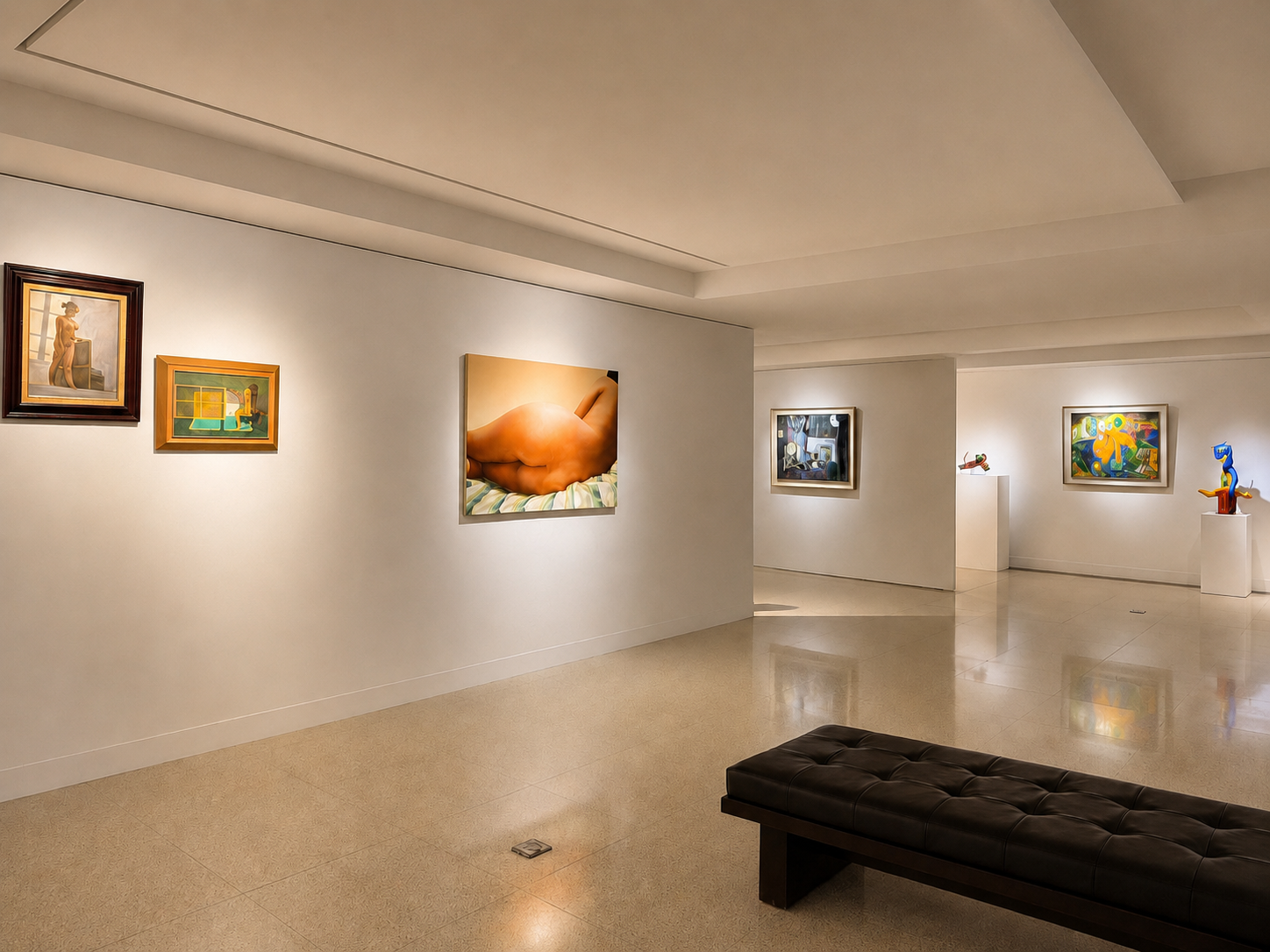
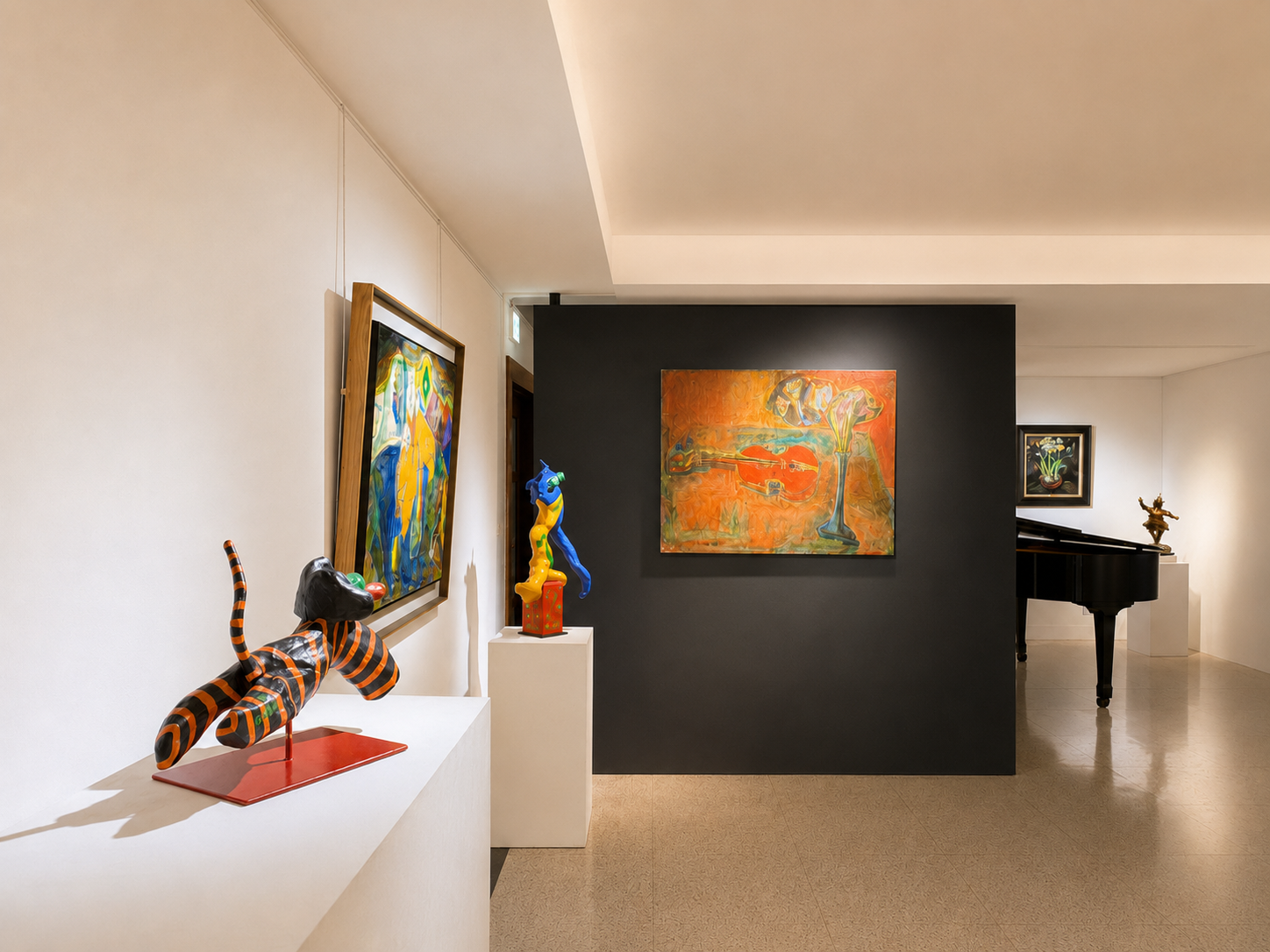
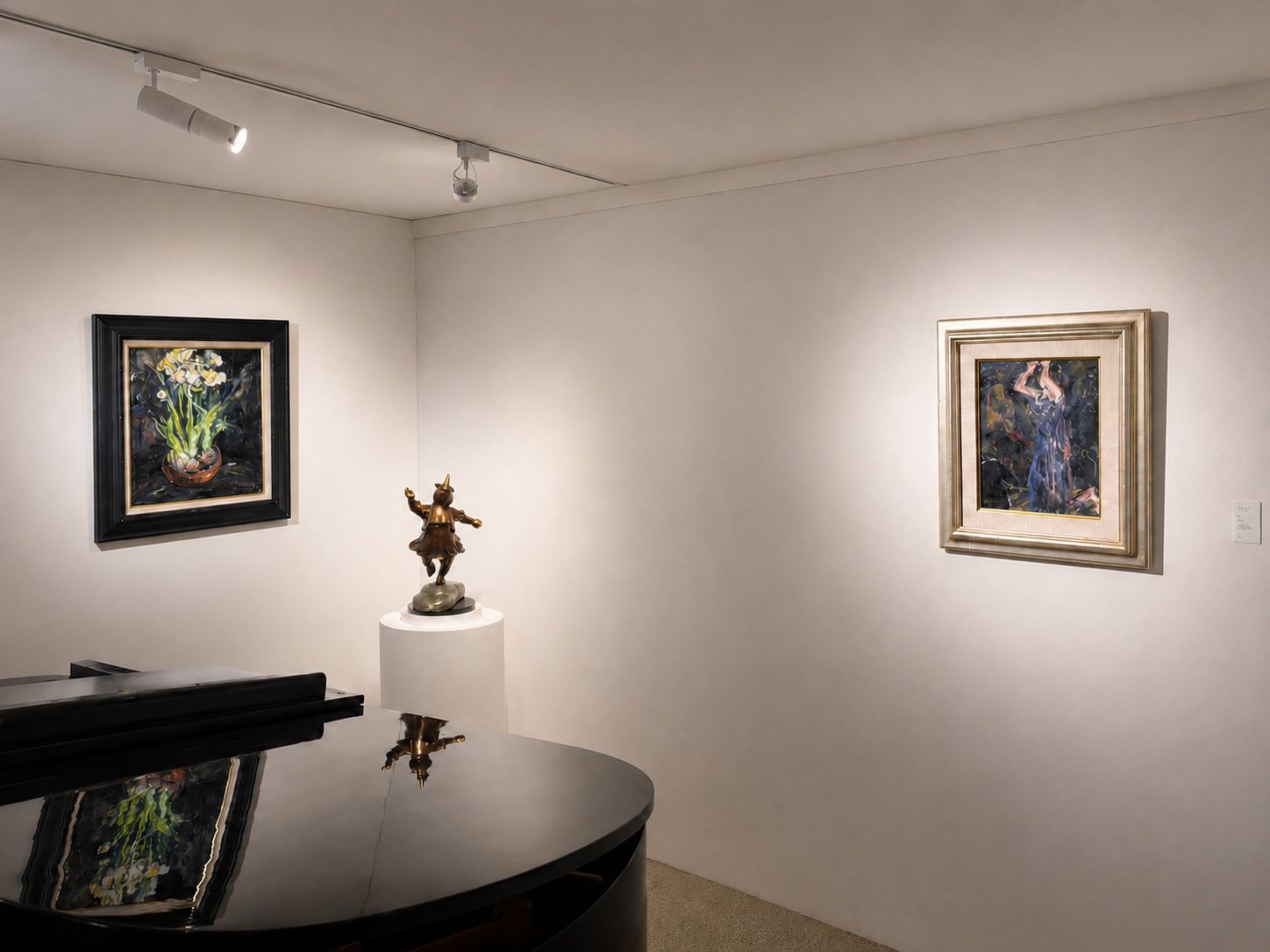
那些不在視線中心的角落,承接光影與時間的停留,也收納記憶,
使「房子」的每一隅皆成為情感與夢境的棲居之地。
Corners tucked away from the focal point catch the lingering play of light and shadow, cradling memories and turning every nook of a "house" into a sanctuary for emotions and dreams.
「慢時區」在此生成——它並非具體存在的時間段,而是一種回到自身感受的狀態,
使觀看從外在世界轉向內在體驗。
Here, a "Slow Time Zone" emerges—not as a specific duration, but as a return to one’s own state of perception, shifting the act of viewing from the external world to an internal encounter.
在這樣的時間感裡,藝術家分別透過不同創作路徑展開觀看的可能性。
佐藤公聰以花瓶與靜物為主題,營造靜謐且帶有記憶感的畫面,捕捉停留的片刻時光;
李加兆以日常片段為創作出發,使畫面貼近身體經驗,看見生活裡微小而易被遺忘的瞬間。
陳哲則以抒情富想像的視覺語言鬆動畫面秩序,使色彩帶動情緒節奏,
形成介於現實與內在之間的張力。
Within this sense of time, each artist unfolds possibilities of seeing through distinct paths. Koso Sato captures suspended moments through still lifes and vases, evoking a quiet sense of nostalgia. Karsiu Lee draws from daily fragments and bodily experiences, rendering moments that are minute yet easily forgotten. CHEN Che employs a lyrical and imaginative visual language to loosen the order of the canvas, allowing color to drive emotional rhythms and create a tension between reality and the interior self.
施力仁的雕塑融合東方內斂精神與科幻想像,呈現穩定而堅韌的姿態;
作品中結合古文明元素,意味著犀牛穿越漫長時間,看見人類文明的形成與變化,
使觀看的視野從日常延伸至更長遠的時間尺度,
為《角落裡的慢時區》增添另一種關於時間厚度的想像。
SHIH Li-Jen’s sculptures merge Eastern restraint with futuristic imagination, presenting a stance of stability and resilience. By incorporating elements of ancient civilizations, his rhinoceros figures traverse vast timelines, witnessing the evolution of human history. This expands the horizon of viewing from the everyday to a macro-scale of time, adding a profound layer of historical thickness to the exhibition.
作品呈現由現實、記憶與感受交織構成的觀看經驗。
在快速流動的日常之中,《角落裡的慢時區》邀請觀者放慢腳步,
重新凝視那些被忽略的角落,並在其中找回日常的餘白。
The works constitute a viewing experience woven from reality, memory, and sensation. In the rapid currents of daily life, A Corner, A World invites us to slow our pace, to gaze once more at the neglected corners, and to find, within them, the margins of our own existence.