畫面初見|自然臨場與感性色彩
藝術家介紹|Artist Profile
王為銧(WANG Wei-Guang,b. 1934)生於臺北,藝術脈絡承襲呂基正與楊三郎,並曾多次獲省展及臺陽美展獎項肯定。臺灣前輩畫家的寫生精神、印象色彩與土地意識,成為他進入繪畫的重要起點。他長年行旅於臺灣山海之間,透過大量對景寫生,將自然造化中的光、風、濕度與地勢轉譯為筆下的感性敘事。
WANG Wei-Guang (b. 1934) was born in Taipei. His artistic formation is connected to the lineage of Lu Chi-Cheng and Yang San-Lang, and his work received recognition in major Taiwanese exhibitions, including the Provincial Fine Arts Exhibition and Tai-Yang Art Exhibition. The plein-air spirit, impressionistic color, and land-based consciousness of Taiwan’s earlier generation of painters became an important foundation for his practice. Traveling extensively across Taiwan’s mountains and coasts, Wang transformed light, wind, humidity, and terrain into a deeply felt painterly narrative.
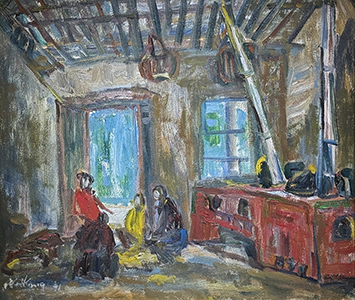
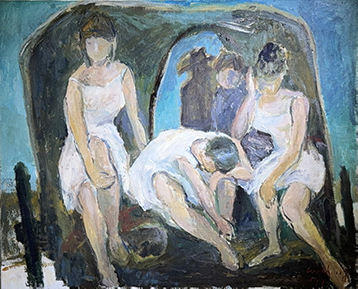
在風格表現上,王為銧逐漸擺脫傳統學院派的描摹束縛,走向造形表現的實踐。他擅長將不同透視關係的面直接交疊,讓景物不再依循單一視點,而在畫面中形成更具流動性的結構。色彩也不依賴繁瑣過渡,而是以簡化後的平坦色塊互相映照、推進,使觀者能更直接感受到色彩自身的重量、溫度與情緒。
In terms of style, Wang gradually moved away from the descriptive limitations of academic realism and entered a more expressive practice of form. He often overlaps planes from different perspectives, allowing the image to depart from a single fixed viewpoint and form a more fluid pictorial structure. His color does not rely on elaborate transitions; instead, simplified flat color fields resonate and press against one another, allowing the viewer to sense the weight, temperature, and emotion of color itself.
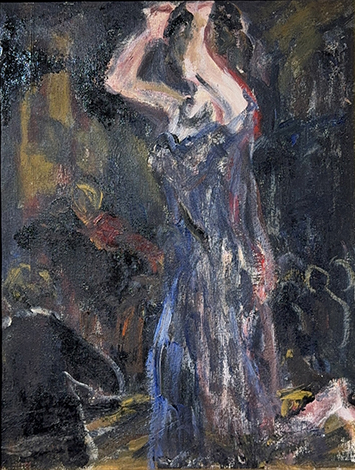
王為銧的作品植根於瞬息萬變的感官經驗。無論是人物、花卉或風景,他所追求的並非題材表面的完整,而是現場氣息在心中留下的回聲。形體被重新拆解,色彩被提煉成情感的媒介;客觀景物於是轉化為生命經驗的容器。這也使他的畫面在灑脫浪漫之中,始終保有一種優雅淡定的韻味。
Wang’s work is rooted in the immediacy of sensory experience. Whether painting figures, flowers, or landscapes, he does not seek the complete description of a subject, but rather the echo left by a moment of presence. Forms are restructured, and color becomes a medium of feeling; objective scenery is transformed into a vessel of lived experience. For this reason, his paintings remain lyrical and romantic while retaining a quiet, elegant composure.
Selected Works|作品欣賞