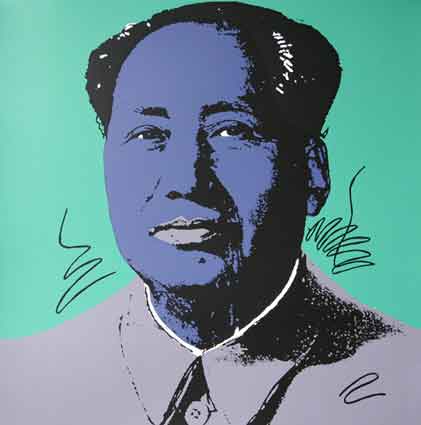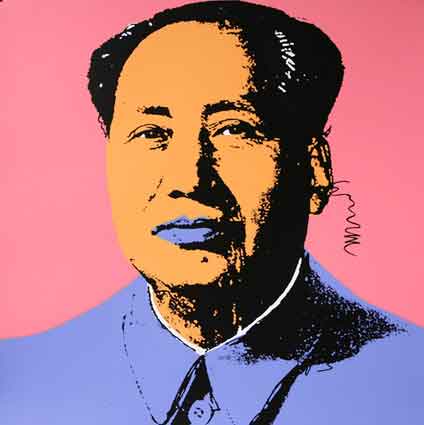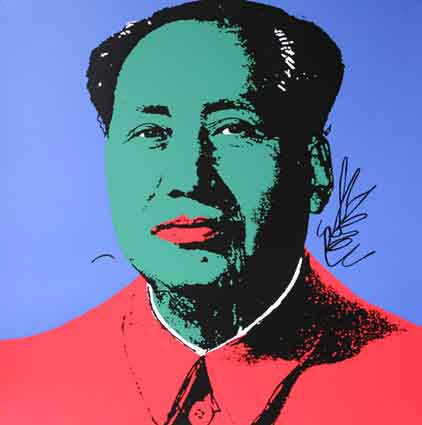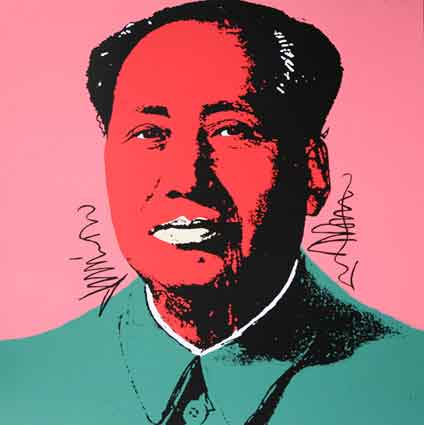
畫面之前|觀看的起點
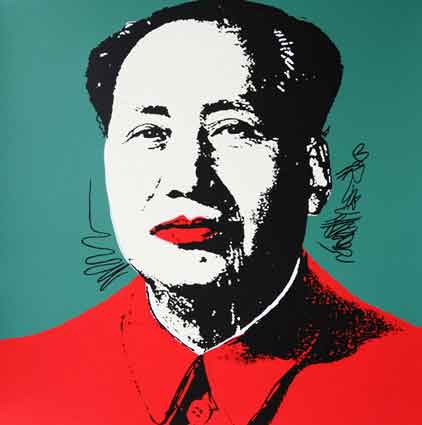
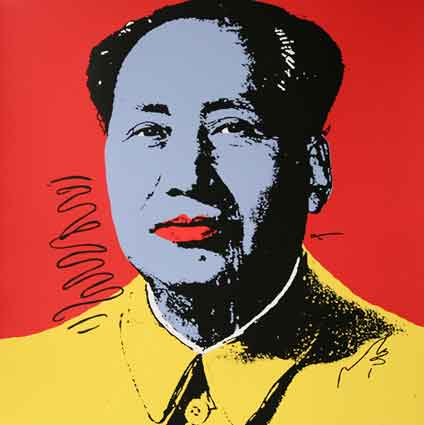
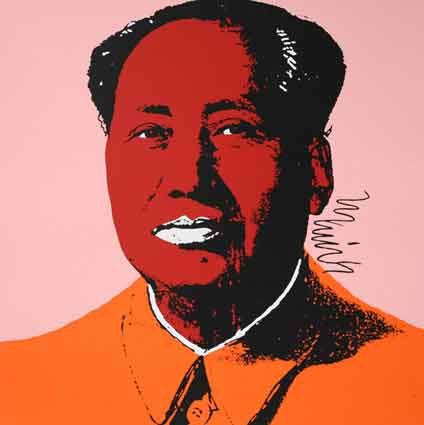
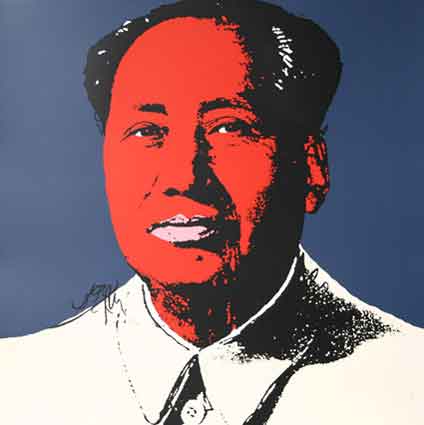
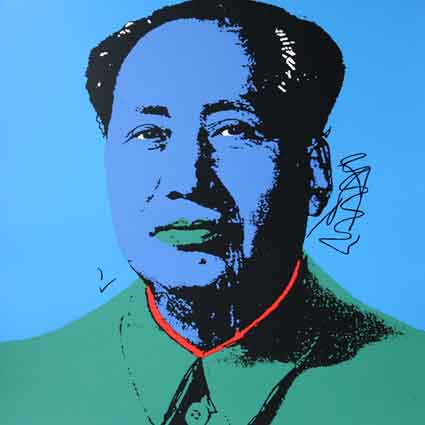
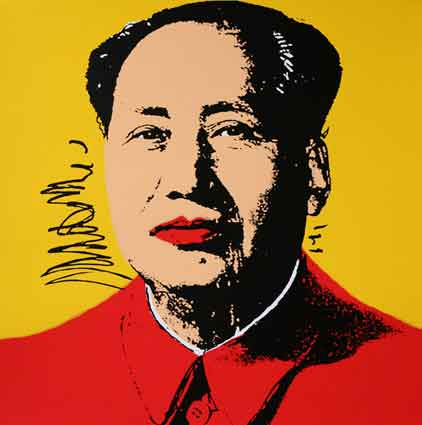
沃荷並非只是把流行搬進美術館;他把影像的「製造流程」變成作品的一部分。
絲網版畫的再製、重複與色彩變奏,讓名氣、媒體與市場的運作被看見:一張臉如何被複製、如何被傳播、
如何在觀看的慣性裡被固定成符號。沃荷的平面不是單一圖像,而是一套影像經濟——在亮麗的表面之下,
結構性的冷靜與反諷同時存在。
Warhol does not simply bring pop into the museum; he makes the production of images part of the work.
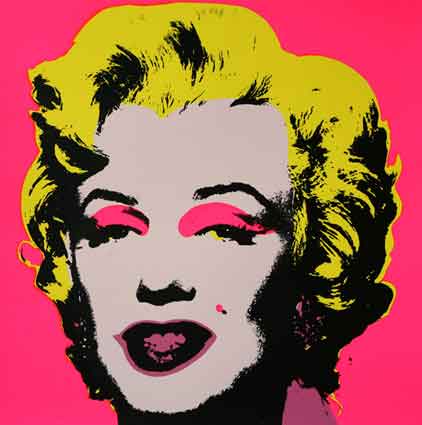
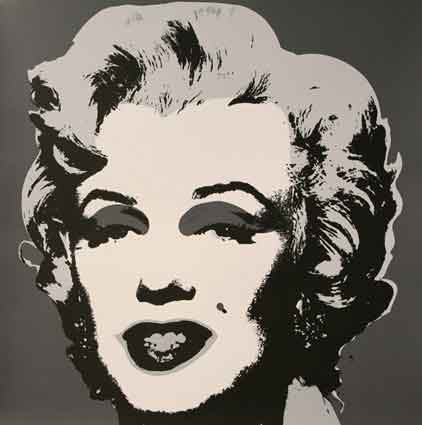
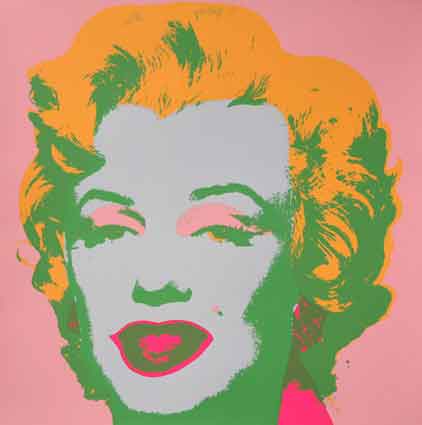
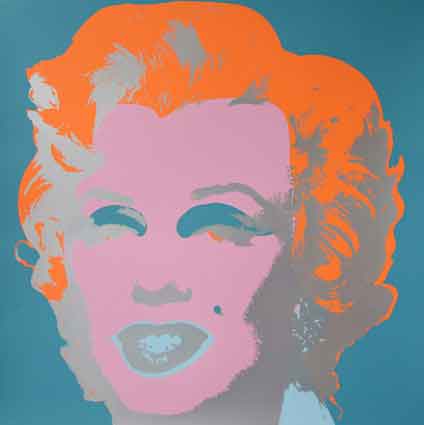
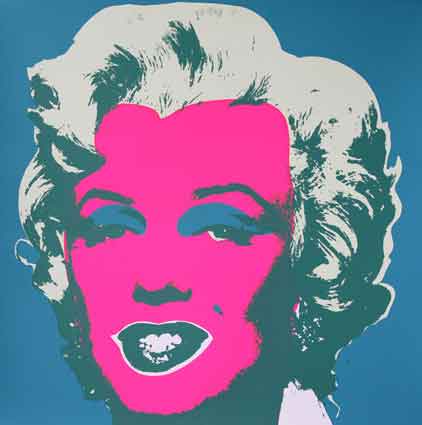
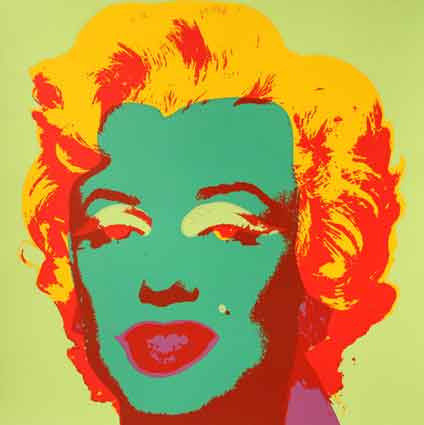
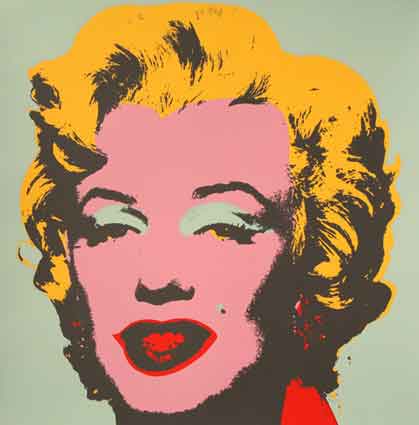
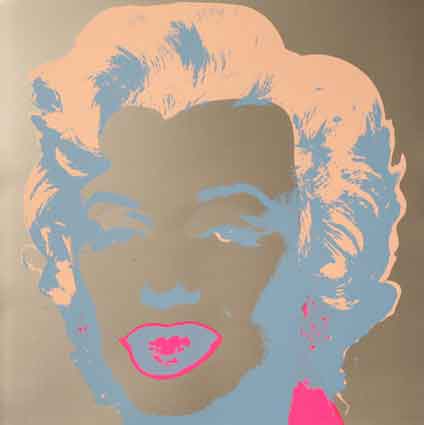
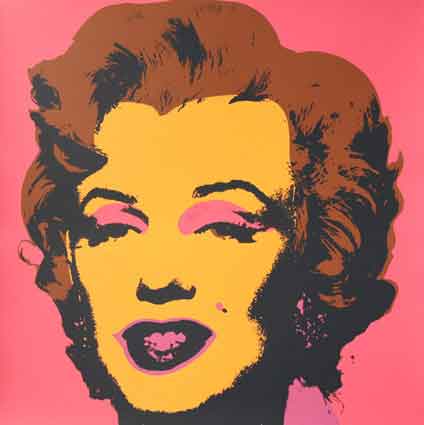
Screenprint reproduction, repetition, and color shifts expose how a face becomes a sign—copied, circulated, and stabilized by attention.
His prints operate as an image economy: seductive on the surface, structurally analytical underneath.
文字與線索|Notes
從廣告與商業設計的視覺邏輯出發,沃荷理解「一致性」與「量產」的力量。 他選擇最容易被辨識、也最容易被消費的對象:名人、政治肖像、媒體圖像。 在反覆印製之中,崇拜與麻木同時被放大——觀看不再只是看見,而是參與一套可計算的流通。
Grounded in commercial visual logic, Warhol understood the power of sameness and mass production. He chooses images that are instantly recognizable—and instantly consumable: celebrities, political portraits, media icons. Through repetition, admiration and numbness intensify together; looking becomes participation in circulation.
Works|作品
以下為精選預覽;如需作品 ,請洽現代畫廊。
Selected preview only. For work, please contact Modern Art Gallery via private inquiry.
Marilyn|夢露

Mao|毛澤東